Archives
- 2026-05
- 2026-04
- 2026-03
- 2026-02
- 2026-01
- 2025-12
- 2025-11
- 2025-10
- 2025-09
- 2025-03
- 2025-02
- 2025-01
- 2024-12
- 2024-11
- 2024-10
- 2024-09
- 2024-08
- 2024-07
- 2024-06
- 2024-05
- 2024-04
- 2024-03
- 2024-02
- 2024-01
- 2023-12
- 2023-11
- 2023-10
- 2023-09
- 2023-08
- 2023-07
- 2023-06
- 2023-05
- 2023-04
- 2023-03
- 2023-02
- 2023-01
- 2022-12
- 2022-11
- 2022-10
- 2022-09
- 2022-08
- 2022-07
- 2022-06
- 2022-05
- 2022-04
- 2022-03
- 2022-02
- 2022-01
- 2021-12
- 2021-11
- 2021-10
- 2021-09
- 2021-08
- 2021-07
- 2021-06
- 2021-05
- 2021-04
- 2021-03
- 2021-02
- 2021-01
- 2020-12
- 2020-11
- 2020-10
- 2020-09
- 2020-08
- 2020-07
- 2020-06
- 2020-05
- 2020-04
- 2020-03
- 2020-02
- 2020-01
- 2019-12
- 2019-11
- 2019-10
- 2019-09
- 2019-08
- 2019-07
- 2019-06
- 2019-05
- 2019-04
- 2018-11
- 2018-10
- 2018-07
-
br Role of ALDH Isoenzymes in Glioma Growth and
2021-08-30
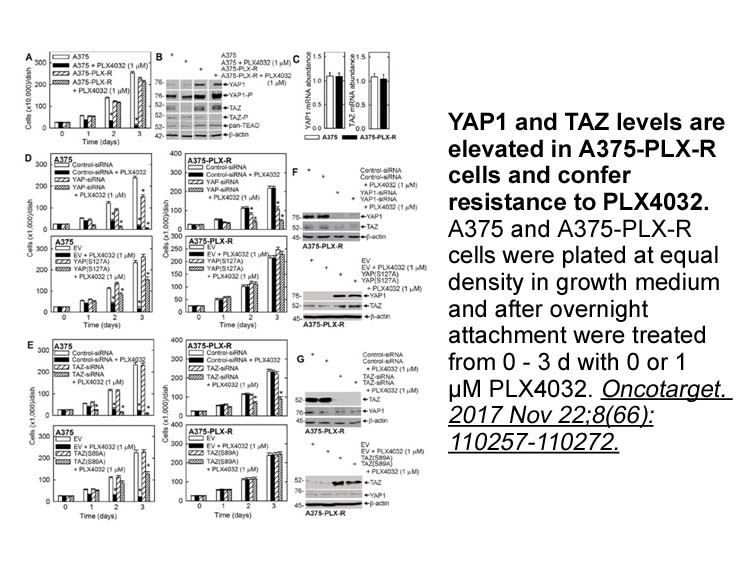
Role of ALDH Isoenzymes in Glioma Growth and Invasion ALDH family genes are commonly upregulated in gliomas, indicating ALDH-dependent cell metabolism. Specific ALDH isoenzymes have been detected in high- and low-grade tumors implicated in cell proliferation, maintenance of CSC properties, invasi
-
Octreotide acetate br Materials and methods br Results
2021-08-30
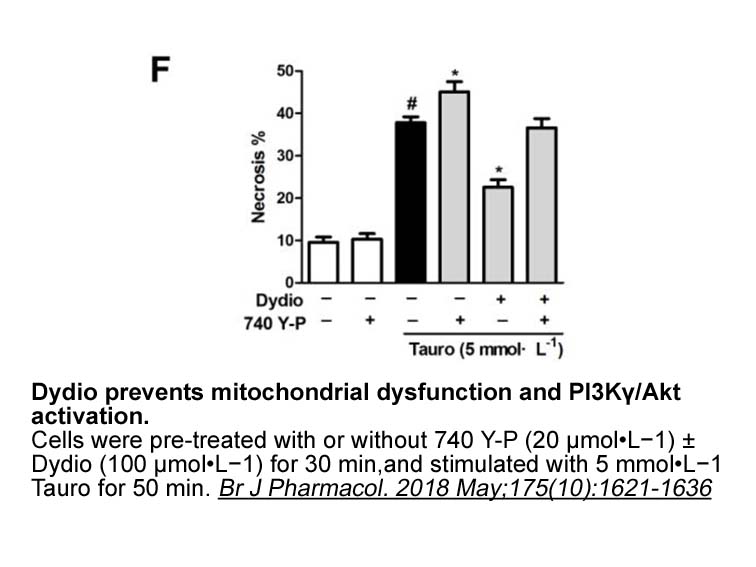
Materials and methods Results Discussion In this study we characterized in more detail the interrelationship between the expression levels of the B. malayi Bm-cpl-3 and Bm-cpl-6 cysteine proteases and the fitness of Wolbachia, and consequently that of the parasite. Our present in vitro data
-
These data indicate that in the
2021-08-30
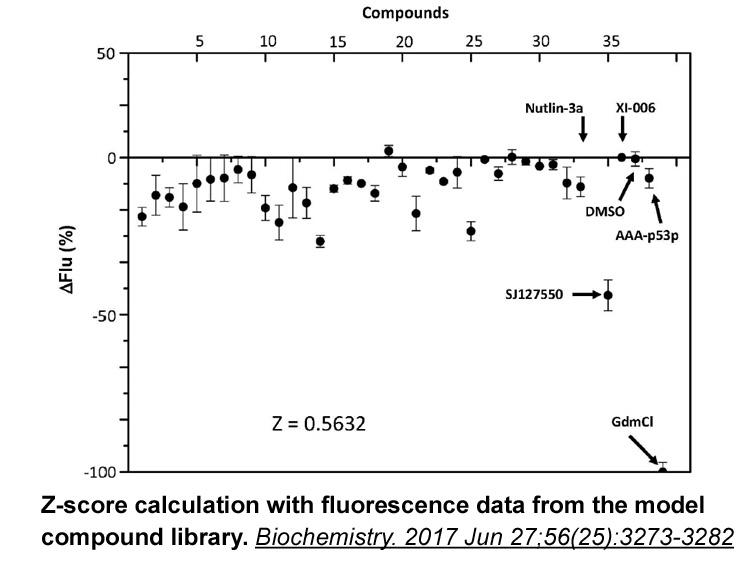
These data indicate that, in the context of the N-terminal 42 amino acids of p53, threonine 18 is a substrate for phosphorylation by CK1 as mediated by prior phosphorylation of serine 15. To determine whether this is a property of full length p53, GST-p53 fusion proteins comprising the full length p
-
Plerixafor 8HCl Enzyme mimics belong to a type
2021-08-30
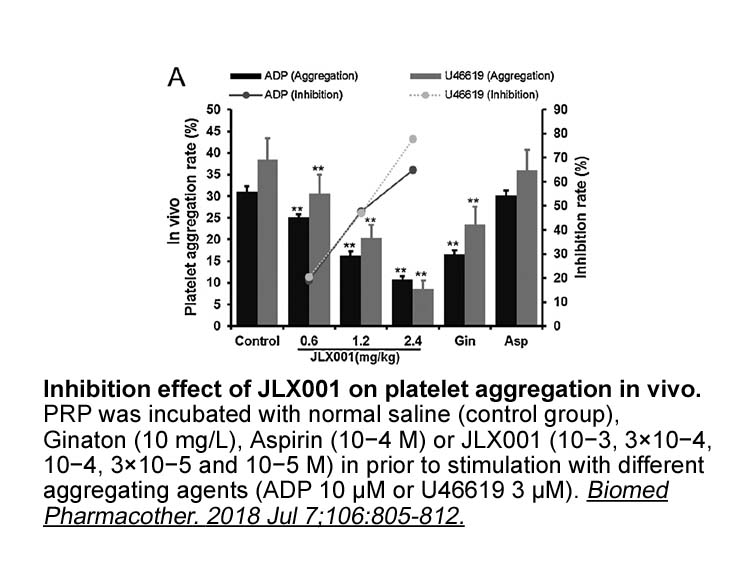
Enzyme mimics belong to a type of rising catalysts which show the similar function with their corresponding natural enzymes [20], [21], [22], [23], [24], [25], [26], [27], although their structures are different from natural enzymes. In the area of prodrug activation, the widely-used enzyme mimics a
-
br Conflict of interest br
2021-08-30
Conflict of interest Acknowledgements This work was supported by the Basic Science Research Program through the National Research Foundation (NRF) funded by the Ministry of Science, ICT & Future Planning (2013R1A1A1076117) and also by the Priority Research Centers Program through the NRF funde
-
For this study we have used the
2021-08-30
For this study we have used the intermediate affinity mutant antigen HEL2× for immunization. However, we have observed a similar defect in the plasmablast differentiation of EBI2-deficient SWHEL RK-33 over a 10,000-fold affinity range by using WT HEL or the low-affinity mutant HEL3× (data not shown
-
An important role for the
2021-08-30
An important role for the precursor molecule of the main EBI2 ligand, 25-OHC, in the inhibition of inflammation was recently shown. 25-OHC was demonstrated to inhibit inflammasome induction in mouse macrophages [28]. Inflammasome assemblies are the sites of caspase 1 activation and lead to the gener
-
Up to of the host B cells are infected
2021-08-30
Up to 10% of the host rolipram are infected with EBV during acute infectious mononucleosis. Most of these cells are effectively cleared by the immune system, but some downregulate viral gene expression and differentiate into safety in the resting memory B cell pool. In the persisting infection, the
-
However recent studies revealed that the function
2021-08-28
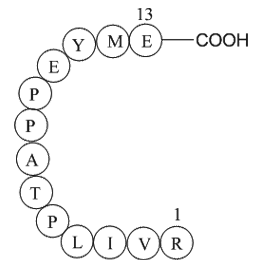
However, recent studies revealed that the function of Crm1 might not only limit to nucleocytoplasmic transport, but also be involved in regulation of centrosome duplication. As the major microtubule organizing centers in animal cells, centrosomes play a significant role in cell cycle, spindle format
-
br Materials and methods br Results br Discussion In
2021-08-28
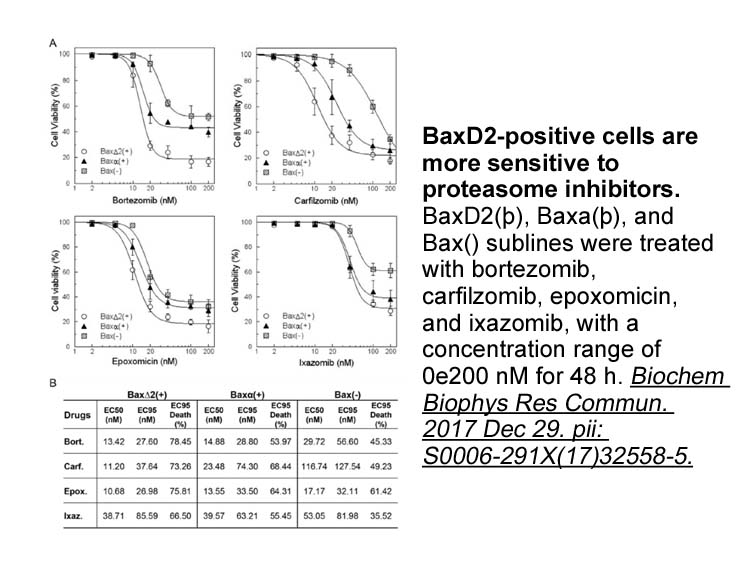
Materials and methods Results Discussion In our tissue array, we demonstrated that 14-3-3 tau mRNA and protein expression levels decreased in the preeclamptic placentas. 14-3-3 proteins are considered to be important in the functional regulation of trophoblasts and maybe associated with adv
-
Within their range of applicability both approaches matched
2021-08-28
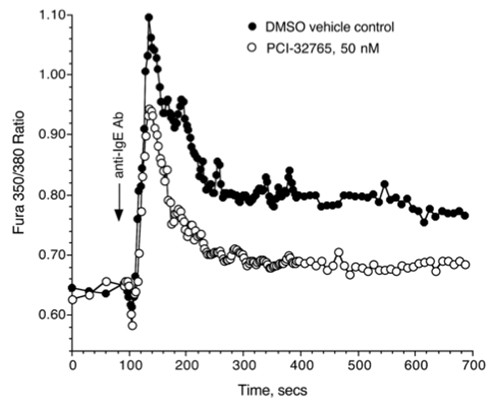
Within their range of applicability, both approaches matched the phase boundaries and yields generally to within the measurement error. The approaches matched the phase compositions generally to within 11 wt% or less with the average absolute deviations listed below: One advantage of the proposed a
-
Due to the results of the experiment we decided to
2021-08-28
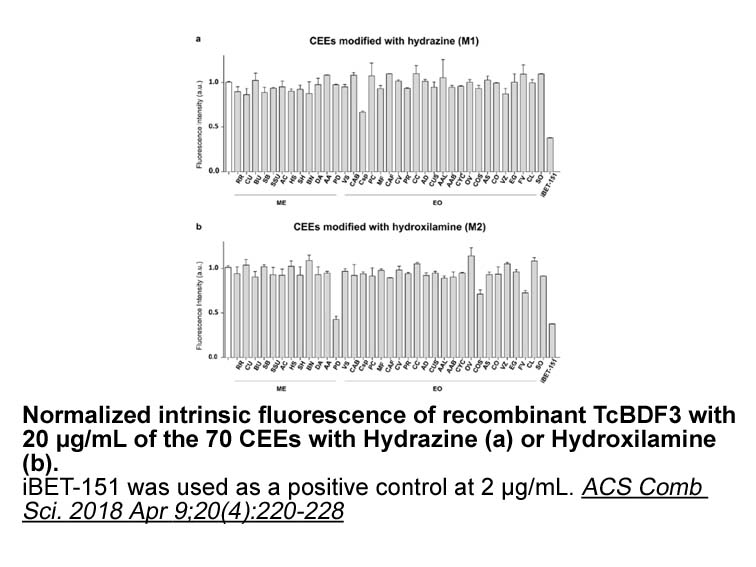
Due to the results of the experiment we decided to deploy our cloud service infrastructure with two platform-independent servers instead of one or three. This decision was based on two factors: (a) the use of more than one server is useful to avoid a bottleneck in the system, and (b) using more than
-
The underlying mechanisms of how progesterone prolongs
2021-08-28
The underlying mechanisms of how progesterone prolongs pregnancy, although not completely understood, are thought to have to do with reduction in uterine contractility, antimicrobial protein up-regulation, immunosuppression, and inflammatory inhibition. Specific to preterm PROM, progesterone has bee
-
Tibolone is also efficacious on
2021-08-28
Tibolone is also efficacious on bone in elderly women and induces a clear reduction in bone turnover markers [50], [51]. Rymer et al. showed that, after 10 years of treatment with tibolone, the difference in bone mineral density compared with a placebo group was more than 12% for both lumbar spine a
-
br Results and discussion br Conclusions In conclusion
2021-08-28
Results and discussion Conclusions In conclusion, we have developed rational strategies that allowed us to successfully identify a series of novel analogs structurally related to to modulate the activity of estrogen-related receptors (ERRγ and ERRβ), which are constitutively active. All of the
16682 records 624/1113 page Previous Next First page 上5页 621622623624625 下5页 Last page