Archives
- 2026-09
- 2026-08
- 2026-07
- 2026-06
- 2026-05
- 2026-04
- 2026-03
- 2026-02
- 2026-01
- 2025-12
- 2025-11
- 2025-10
- 2025-09
- 2025-03
- 2025-02
- 2025-01
- 2024-12
- 2024-11
- 2024-10
- 2024-09
- 2024-08
- 2024-07
- 2024-06
- 2024-05
- 2024-04
- 2024-03
- 2024-02
- 2024-01
- 2023-12
- 2023-11
- 2023-10
- 2023-09
- 2023-08
- 2023-07
- 2023-06
- 2023-05
- 2023-04
- 2023-03
- 2023-02
- 2023-01
- 2022-12
- 2022-11
- 2022-10
- 2022-09
- 2022-08
- 2022-07
- 2022-06
- 2022-05
- 2022-04
- 2022-03
- 2022-02
- 2022-01
-
Transporters are important ta http www apexbt com media
2022-03-03
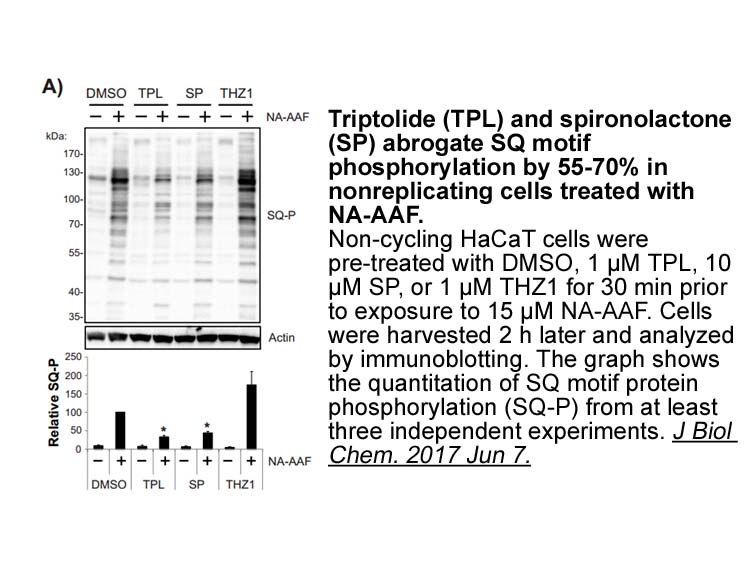
Transporters are important targets for devising new therapies, optimizing existing therapies, and helping understand the toxicities of certain drugs. Given the well-documented role of transporters in restricting the distribution of drugs, modulating the relevant transporters could enhance the permea
-
To assess whether this coupling mechanisms
2022-03-03
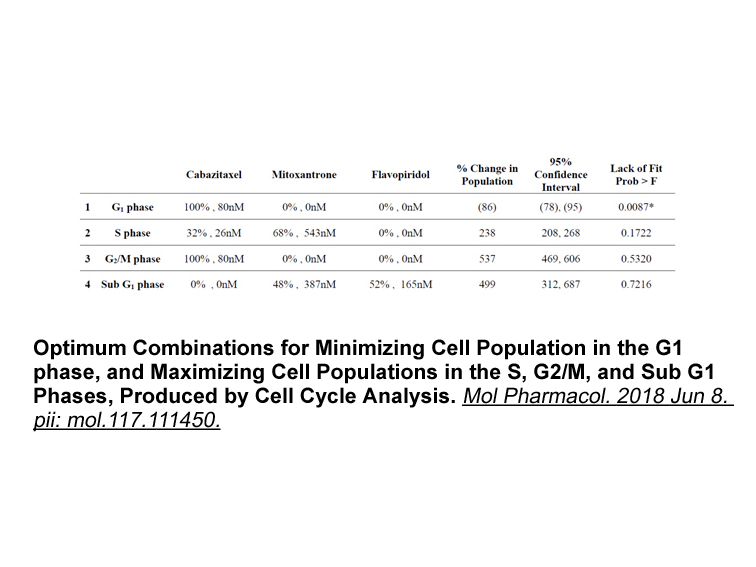
To assess whether this coupling mechanisms might operate also in a native system of untransfected cells, we select a cell line SH-SY5Y neuroblastoma that is known to express both the dopamine transporter and the M-currents (Jiang et al., 2004; Wickenden et al., 2008). These experiments were performe
-
Decreases in LS mean h WMG versus
2022-03-02
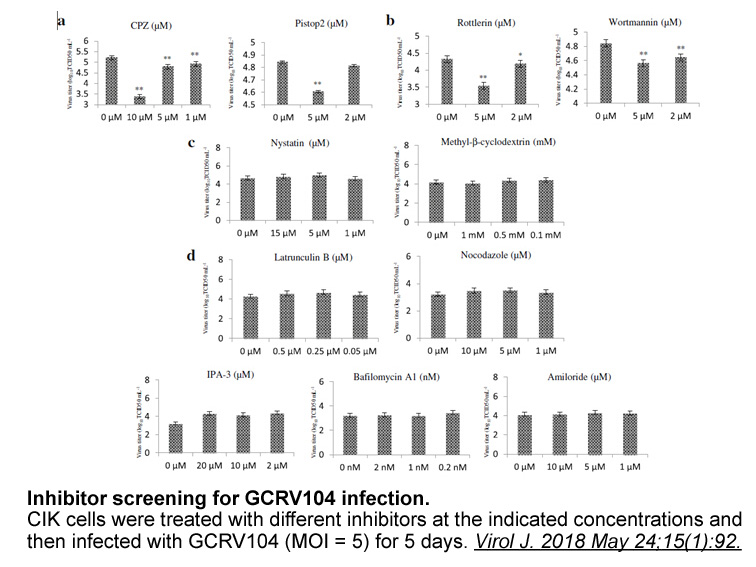
Decreases in LS mean 24-h WMG versus placebo were observed with both the 10mg q.d. a.m. (−18.8mg/dL) and 6mg q.d. p.m. (−25.0mg/dL) MK-3577 ‘partial blockade’ regimens, but was not assessed for the 25mg b.i.d regimen. Decreases in FPG versus placebo were observed for both the 10mg q.d. a.m. (−7.2mg/
-
Ghrelin receptors in non mammals
2022-03-02
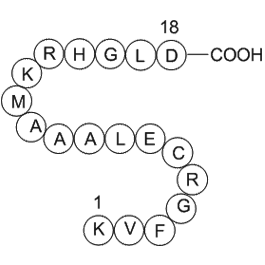
Ghrelin receptors in non-mammals are reportedly more “complicated/complex and diverse” than in mammals, having additional paralogs and splice variants (Kaiya et al., 2014). Several teleost fish GHS-Rs have been identified; however, functional characterization has been conducted in only a few (see, K
-
The Notch cleavage efficiency of Aph aS containing complexes
2022-03-02

The Notch-cleavage efficiency of Aph1aS containing complexes was lower than that of Aph1aL γ-secretases, especially in combination with PS2, suggesting that Aph1aS is a determinant of low Notch-cleavage specificity, considering that the different subcellular localization of PS1 and PS2 didn't affect
-
get more information Among sensitizers tested in the previou
2022-03-02
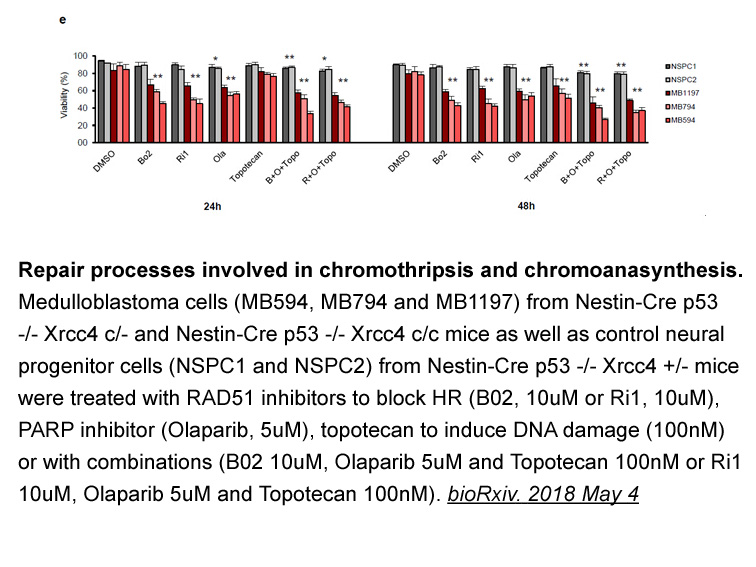
Among 22 sensitizers tested in the previous study, six test chemicals were pre- or pro-haptens (Nepal et al., 2018a). Among 6 chemicals, hydroquinone and 2-aminophenol, strong sensitizers, were falsely classified as non-sensitizers due to the lack of metabolic activation (Nepal et al., 2018a). Liter
-
Thus this work aims to
2022-03-02
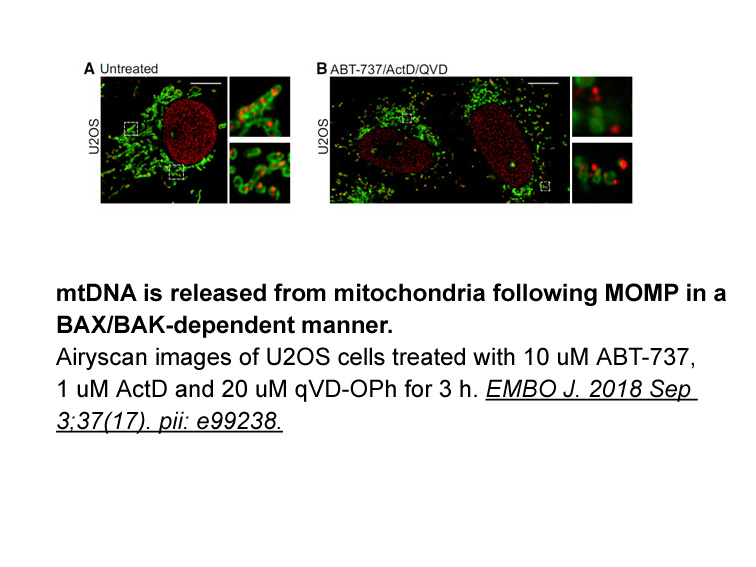
Thus, this work aims to evaluate the effect of tannic rhein on β-galactosidase activity, by observing the variations in the molecular interaction kinetic parameters ( and ). Besides, these data were correlated with the modifications that the tannin caused to the enzyme’s secondary structure (CD), t
-
Interestingly the subcellular localization of FBPase in hepa
2022-03-02
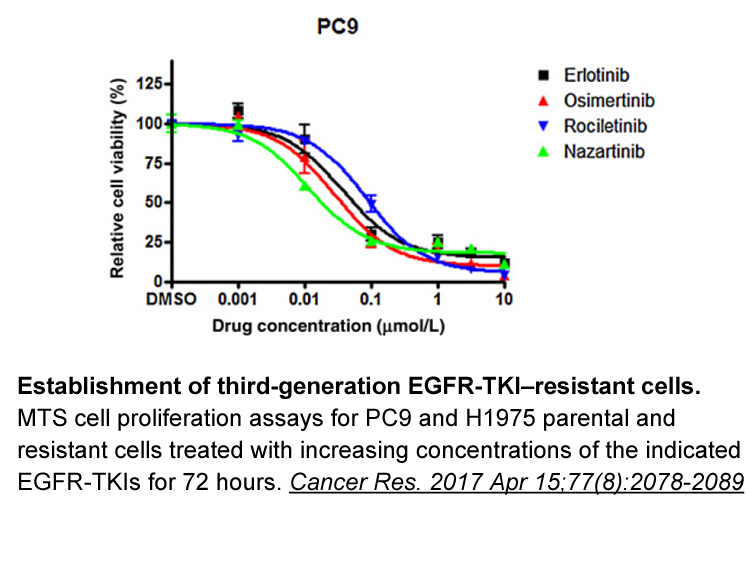
Interestingly, the subcellular localization of FBPase in hepatocytes and proximal tubule Otilonium Bromide reveals that FBPase is also able to translocate to the nucleus in these cell types. The nuclear localization of muscle-FBPase was recently reported [35]. This data corroborate our results on t
-
br Anandamide signaling and cardiovascular function The card
2022-03-02
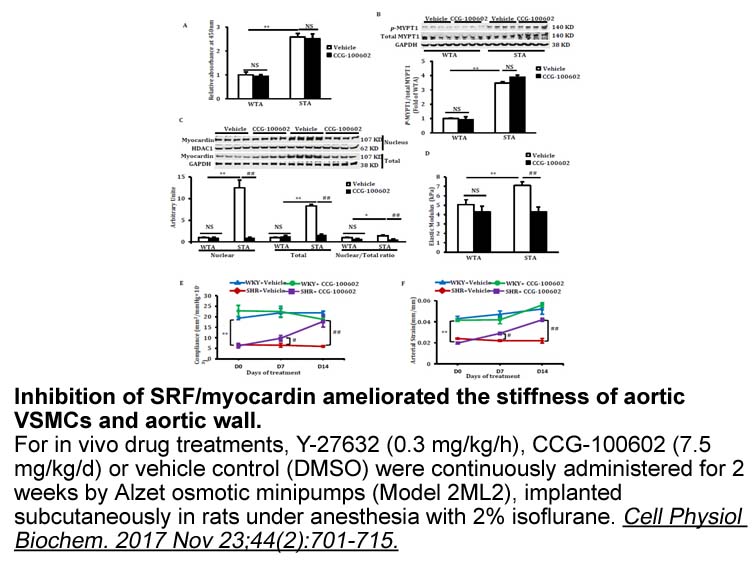
Anandamide signaling and cardiovascular function The cardiovascular effects of cannabinoid compounds have been known for a long time. Studies in humans indicate that chronic use of marijuana causes long lasting decrease in blood pressure and heart rate, whereas the acute use increases heart rate
-
br Acknowledgment br Introduction Non steroidal anti inflamm
2022-03-02
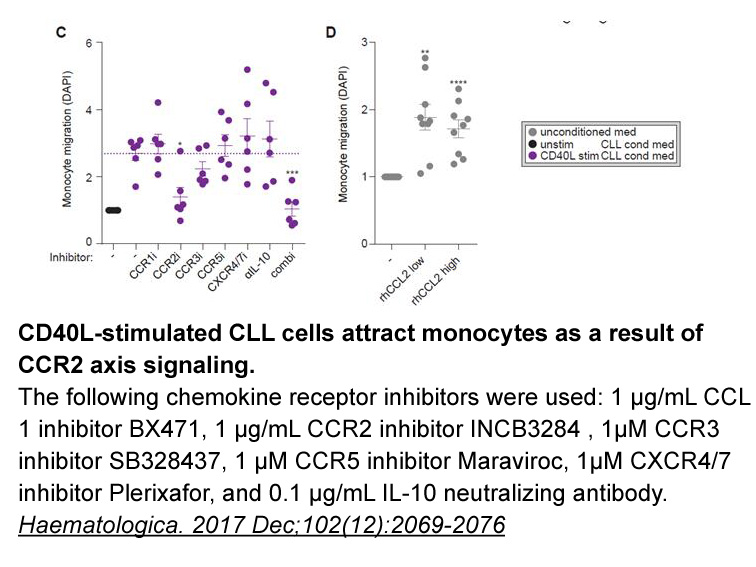
Acknowledgment Introduction Non-steroidal anti-inflammatory drugs (NSAIDs) are widely utilized to treat pain and inflammation [1], but their chronic use is hindered by a variety of potentially serious adverse events that include gastrointestinal (GI) mucosal lesions, bleeding and perforations
-
As illustrated in among all synthesized compounds biphenyl d
2022-03-02
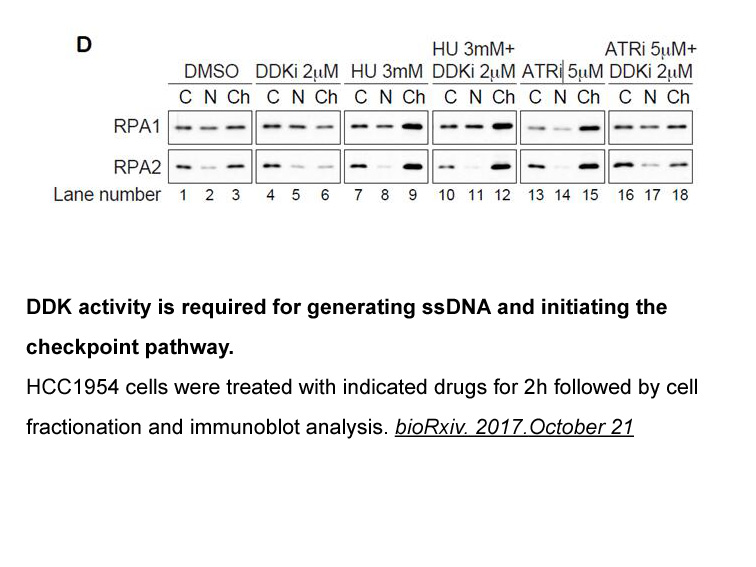
As illustrated in , among all synthesized compounds, biphenyl derivatives , , , , and with substitutions at the 3-position possessed the best FAAH inhibitory capacity. These 5 compounds demonstrated a good activity against FAAH with IC values in a submicromolar range. Nevertheless, when replacing t
-
br Materials and methods br
2022-03-02
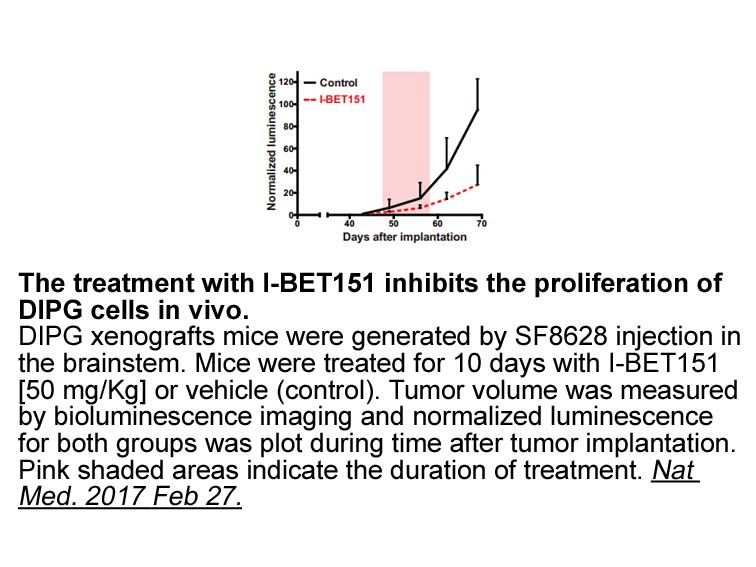
Materials and methods Results Discussion In the absence of vascularization phenomena, endothelial cells (ECs) are among the most quiescent cells of the body [27]. ECs proliferation is significant during embryogenesis, as the vasculature is being formed, while in the adult life takes place o
-
Several mechanisms have been suggested to underline
2022-03-02
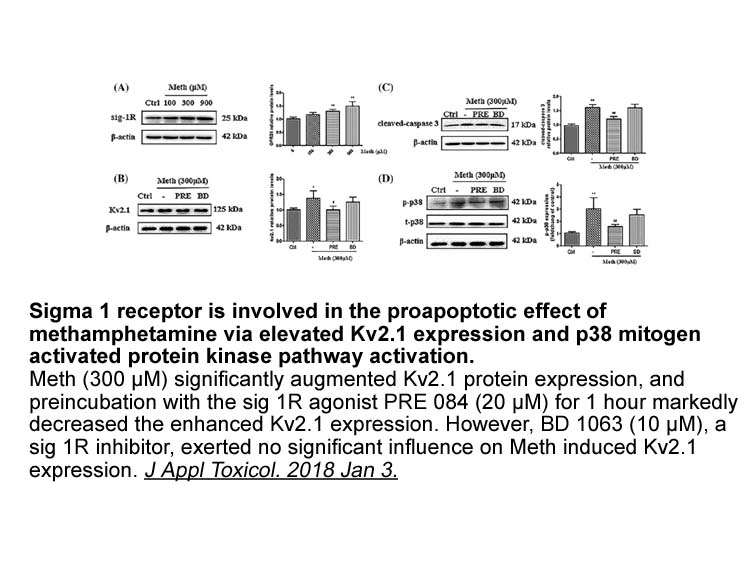
Several mechanisms have been suggested to underline the release of signalling molecules from astrocytes: reverse operation of glutamate transporters, volume-regulated anion channels, gap-junctional hemi channels, diffusional release through purinergic receptors and Ca2+-dependent exocytosis [2], [15
-
In addition to acting as the
2022-03-02

In addition to acting as the gatekeeper for the metabolic and antioxidant roles of glucose, HKs have also been found to regulate mPTP opening directly. First described in the cancer field, the high-affinity HK isoforms HK1 and HK2 are strongly anti-apoptotic when bound to the outer mitochondrial mem
-
CD CD belong to the costimulatory adhesion
2022-03-02

CD80/CD86 belong to the costimulatory adhesion molecule family, which can activate T KB SRC 4 by the costimulatory pathway and have been used as indicators of DC maturation in numerous studies. In addition, MHC-II, as the principal component of antigen presentation, was significantly elevated after
8433 records 527/563 page Previous Next First page 上5页 526527528529530 下5页 Last page