Archives
- 2026-09
- 2026-08
- 2026-07
- 2026-06
- 2026-05
- 2026-04
- 2026-03
- 2026-02
- 2026-01
- 2025-12
- 2025-11
- 2025-10
- 2025-09
- 2025-03
- 2025-02
- 2025-01
- 2024-12
- 2024-11
- 2024-10
- 2024-09
- 2024-08
- 2024-07
- 2024-06
- 2024-05
- 2024-04
- 2024-03
- 2024-02
- 2024-01
- 2023-12
- 2023-11
- 2023-10
- 2023-09
- 2023-08
- 2023-07
- 2023-06
- 2023-05
- 2023-04
- 2023-03
- 2023-02
- 2023-01
- 2022-12
- 2022-11
- 2022-10
- 2022-09
- 2022-08
- 2022-07
- 2022-06
- 2022-05
- 2022-04
- 2022-03
- 2022-02
- 2022-01
-
The dependence of blood cell production on
2024-08-29
The dependence of blood cell production on a limited number of HSC and HPC (hereafter collectively referred to as HSPC) means that protection from potential toxins is essential for maintenance of the hematologic system (see Fig. 1). For example, the generation of blood cells within the intramedullar
-
In this article we have
2024-08-29
In this article, we have outlined the increasing, as yet still circumstantial evidence that the 6TM domains of bacterial ACs might operate as receptors for as yet unknown ligands. Intriguingly, several architectural arguments are also applicable to the 6TM domains of mammalian membrane-bound ACs (mA
-
br Materials and methods br Results br Discussion This
2024-08-29
Materials and methods Results Discussion This study demonstrates that treatment with a selective adenosine kinase inhibitor ABT-702, thereby enhancing extracellular adenosine, can provide partial protection from age-related hearing loss in C57BL/6J mice. Chronic treatment with ABT-702, comm
-
The following are the supplementary data
2024-08-28
The following are the supplementary data related to this article. Conflict of interest Acknowledgements Disclosure of interest Introduction Since the introduction of platinum-based chemotherapy, metastatic testicular cancer has become a curable disease and most testicular cancer patient
-
The consensus amino acid recognition sequence for p substrat
2024-08-28
The consensus amino CGP 53353 recognition sequence for p38α substrates is (Ser/Thr)Pro (Cuadrado and Nebreda, 2010), typically assisted by upstream docking motifs (Remenyi et al, 2005, Sharrocks et al, 2000). P450c17 has 32 Ser and 25 Thr residues, of which only Thr 341 and Ser 427 are immediately
-
In this paper we describe the formation of a
2024-08-28
In this paper, we describe the formation of a structure-based pharmacophore which lead to the discovery of several hydrophobic, yet non-lipid inhibitors of ATX. These compounds docked within the same volume occupied by the initial non-lipid inhibitors of ATX used to build the pharmacophore. Violatio
-
Cancer cells manifest characteristic abnormal growth propert
2024-08-28
Cancer Phosphatase Inhibitor Cocktail 3 (100X in DMSO) manifest characteristic abnormal growth properties accompanying clonal evolution of cells displaying progressively increasing genomic instability capable of invasion and metastasis to distant organ sites. With the emerging knowledge about the r
-
br Introduction In addition to ATP
2024-08-28
Introduction In addition to ATP production, an important role of mitochondria in the pancreatic beta cell is anaplerosis, which is the net synthesis of citric 3 poly a tail cycle intermediates that are exported to the cytosol where they are converted to numerous other metabolites that stimulate
-
Consistent with a damaging role
2024-08-28
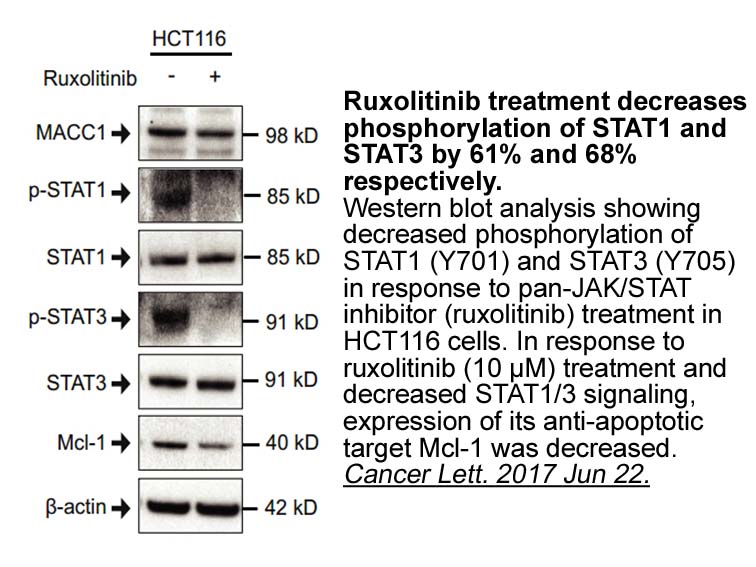
Consistent with a damaging role for increased 12/15-LOX activity in stroke, systemic administration of the 12/15-LOX inhibitor, LB1, 2 h after permanent focal cerebral ischemia significantly reduced infarct size 24 h after the ischemia, and the treatment group demonstrated improved behavioral and he
-
Apelin is a peptide hormone
2024-08-28
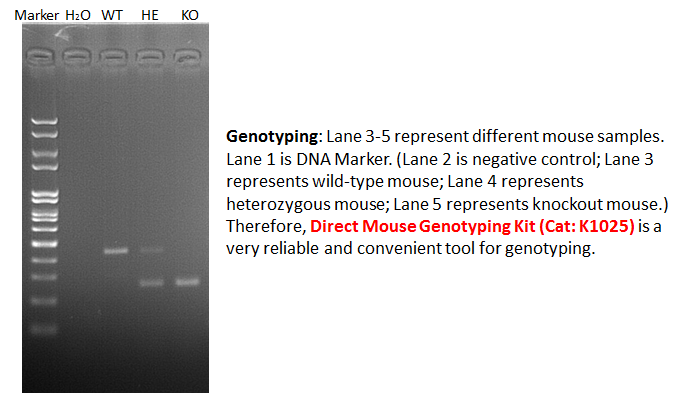
Apelin is a peptide hormone and an endogenous ligand for a G protein-coupled receptor named APJ [7], [8], and apelin and APJ are widely expressed in human organs including hypothalamus, heart, lungs, kidneys, adipose tissue, muscles, and others [9]. Apelin is initially synthesized as a 77-amino-acid
-
According to the present observations the Ampk isoform promo
2024-08-28
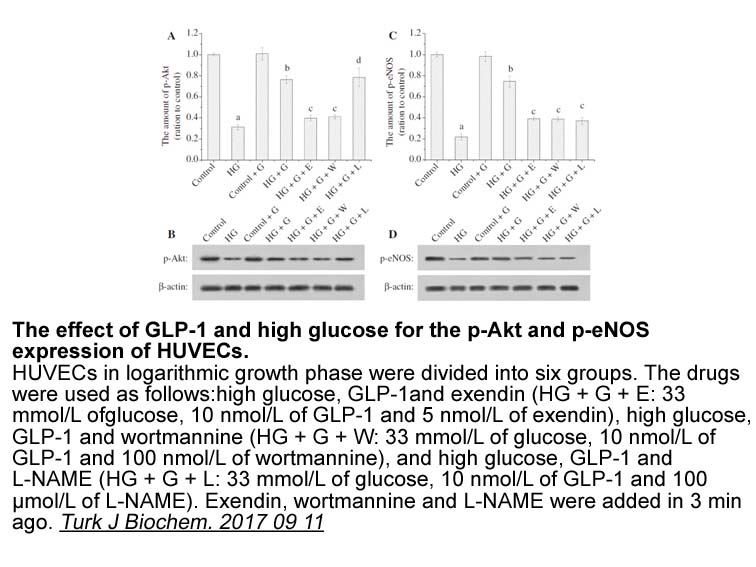
According to the present observations, the Ampkα1 isoform promotes AP-1 transcriptional activity and thereby fosters ABT of AP-1 target genes in cardiomyocytes via activation of Pkcζ. The transcription factor AP-1 plays a decisive role during cardiac remodeling [24], [25], [26], [37]. AP-1 modulate
-
br Prostate cancer and resistance to AR targeting treatment
2024-08-28
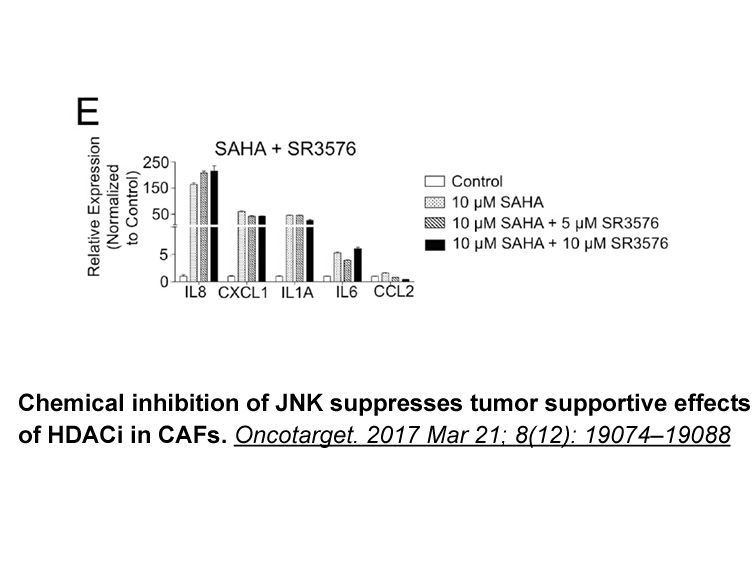
Prostate cancer and resistance to AR targeting treatment The AR plays a pivotal role in the development, differentiation, homeostasis and secretory function of the normal prostate (Wilson, 2011). The AR is also a key player in many phases of prostate carcinogenesis (Huggins et al., 1941, Scher an
-
Recent retrospective cohort studies have supported these pre
2024-08-28
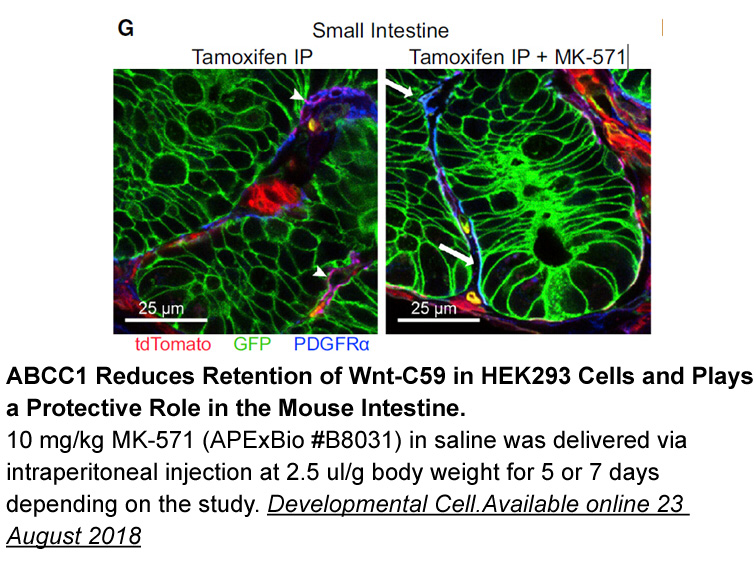
Recent retrospective cohort studies have supported these preclinical findings in animals indicating the correlation of AR activation with the induction of wh4 australia carcinogenesis. First, men with prostate cancer who underwent androgen deprivation therapy were shown to have a significantly lowe
-
Hepatic inflammation and fibrosis are hallmarks of the NASH
2024-08-28

Hepatic GF 109203X and fibrosis are hallmarks of the NASH phenotype and are thought to occur in a subset of patients with NAFLD. While it is hypothesized that therapeutic lowering of hepatic lipids will be sufficient to improve hepatic fibrosis and inflammation secondarily, this remains controversia
-
br Adenosine as a mediator of procedures used
2024-08-27
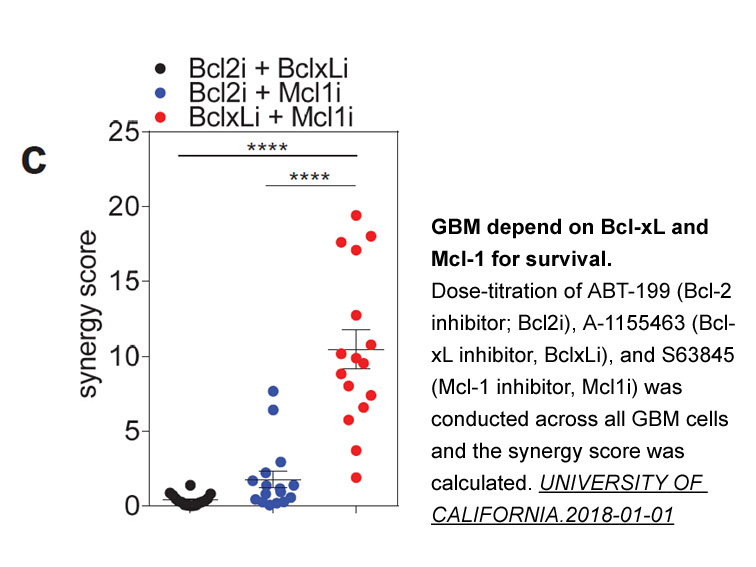
Adenosine as a mediator of procedures used to manage pain The issue of caffeine Caffeine, from dietary sources, is perhaps the most widely consumed behaviorally active agent in the world (Fredholm et al., 1999). Initial characterization indicated caffeine had a higher affinity at A1−, A2A− and
8434 records 124/563 page Previous Next First page 上5页 121122123124125 下5页 Last page