Archives
- 2026-07
- 2026-06
- 2026-05
- 2026-04
- 2026-03
- 2026-02
- 2026-01
- 2025-12
- 2025-11
- 2025-10
- 2025-09
- 2025-03
- 2025-02
- 2025-01
- 2024-12
- 2024-11
- 2024-10
- 2024-09
- 2024-08
- 2024-07
- 2024-06
- 2024-05
- 2024-04
- 2024-03
- 2024-02
- 2024-01
- 2023-12
- 2023-11
- 2023-10
- 2023-09
- 2023-08
- 2023-07
- 2023-06
- 2023-05
- 2023-04
- 2023-03
- 2023-02
- 2023-01
- 2022-12
- 2022-11
- 2022-10
- 2022-09
- 2022-08
- 2022-07
- 2022-06
- 2022-05
- 2022-04
- 2022-03
- 2022-02
- 2022-01
- 2021-12
- 2021-11
- 2021-10
- 2021-09
- 2021-08
- 2021-07
- 2021-06
- 2021-05
- 2021-04
- 2021-03
- 2021-02
- 2021-01
- 2020-12
- 2020-11
- 2020-10
- 2020-09
- 2020-08
- 2020-07
- 2020-06
- 2020-05
- 2020-04
- 2020-03
- 2020-02
- 2020-01
- 2019-12
- 2019-11
- 2019-10
- 2019-09
- 2019-08
- 2019-07
- 2019-06
- 2019-05
- 2019-04
- 2018-11
- 2018-10
- 2018-07
-
Further investigations were concerned to study the mechanism
2025-02-27

Further investigations were concerned to study the mechanisms by which GABA modulates adenosine-mediated effects in hippocampal tissue. From these results it can be concluded that endogenous GABA exerts an inhibitory effect through GABAA receptors via a predominant adenosine-mediated action and this
-
In this study PRP positively regulated MIIP levels
2025-02-27
In this study, PRP4 positively regulated MIIP levels and significantly inhibited the invasion of HCT116 cells. Further investigations elucidated that PRP4 dephosphorylated MIIP via PP1A regulation, which was confirmed by PP1A inhibition in the presence of OA. Upon dephosphorylation, MIIP possibly in
-
The first suggestions that the
2025-02-27
The first suggestions that the cleaved intracellular domain of APP, AICD, might transit to the nucleus and hence selectively regulate gene transcription arose from analogies with the Notch receptor signalling system where similar intra-membrane proteolysis occurs [84], [85] and it was later confirme
-
In the previous study we demonstrated the importance of the
2025-02-27
In the previous study, we demonstrated the importance of the mPFC postsynaptic 5-HT1A receptor in the sustained antidepressant effects, because a sustained antidepressant effect was obtained with intra-mPFC injection, but not systemic injection of 8-OH-DPAT, a 5-HT1A receptor agonist (Fukumoto et al
-
Drug resistance development often involves structurally
2025-02-27
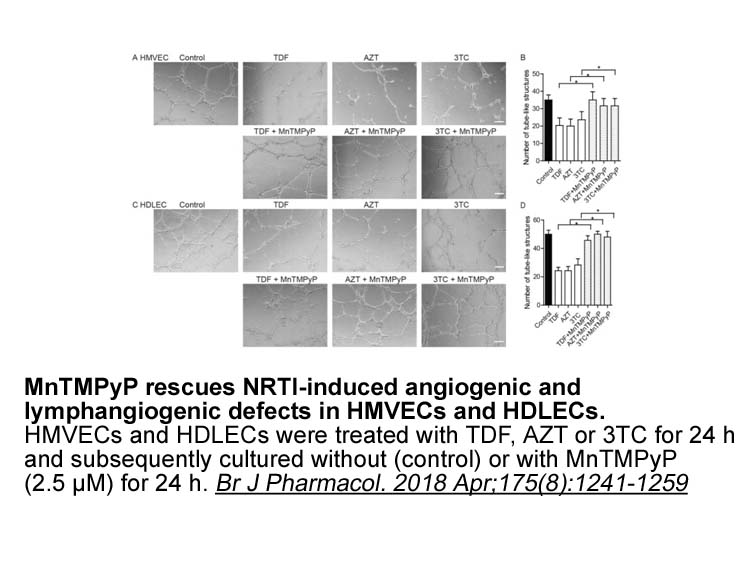
Drug resistance development often involves structurally un-related drugs and, specifically both conventional and targeted agents. IGROV-1/Pt1 erk inhibitor are characterized by resistance to cisplatin and reduced sensitivity to inhibitors of EGF-R and MEK, the up-stream activator of ERK1/2, associa
-
Polyphenols like flavonoids have the potential to penetrate
2025-02-27
Polyphenols like flavonoids have the potential to penetrate into lipid bilayers which is vital for enabling protection against oxidation. Rosmarinic RTA-408 is a natural polyphenol antioxidant isolated from Sphaeranthus amaranthoides. Polyphenols can inhibit the propagation of lipid oxidation by tw
-
br Conclusion GroEL from RA CH
2025-02-27
Conclusion GroEL from RA-CH-1 was expressed and purified. The recombinant RaGroEL protein exhibited ATPase activity, which cooperated with GroES in ATP hydrolysis. Furthermore, the expression pattern of groEL revealed that groEL was up-regulated during stress response. Further studies are warrant
-
br Introduction Melatonin N acetyl methoxytryptamine
2025-02-27
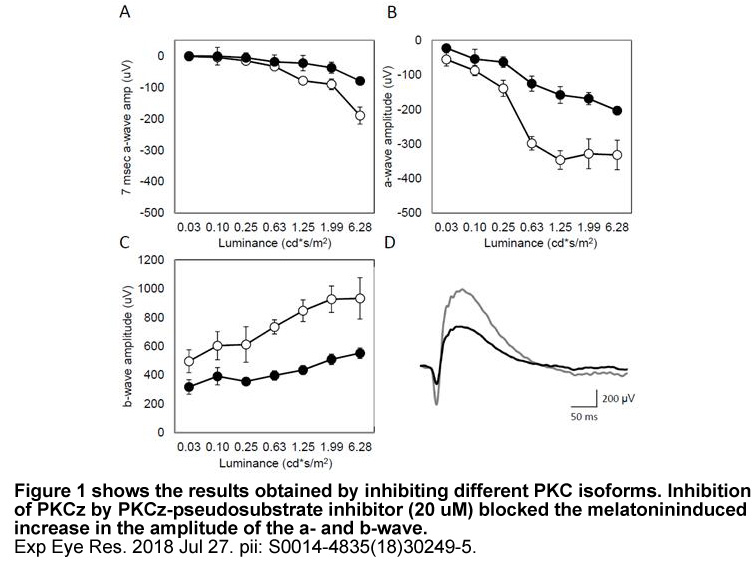
Introduction Melatonin (N-acetyl-5-methoxytryptamine) is a neurohormone which is mainly secreted from the pineal gland. Melatonin is a highly conserved molecule present not only in vertebrates but also in nonvertebrates such as bacteria, protists, fungi, macroalgae, and plants (Cecon et al., 2017
-
We found a protective effect of the
2025-02-27
We found a protective effect of the GTCC haplotype against ED, which is reflected by its association with increased IIEF in patients with clinical ED. Further studies are required to determine the functional implications of these genetic markers combined in specific haplotypes blocks. Indeed, we fou
-
br Results br Discussion Evaluation
2025-02-27
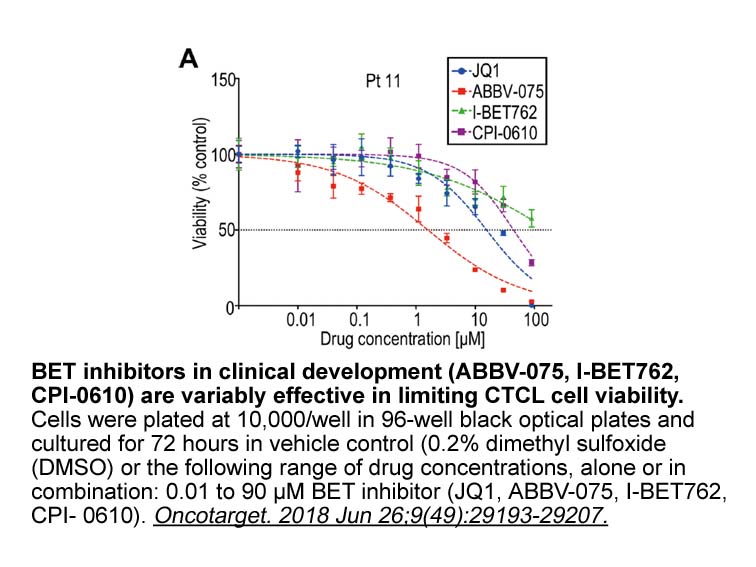
Results Discussion Evaluation of antimicrobial usage is standardized using the DDD as a recommended strategy for comparison with similar hospitals [13]. The use of risk adjustment is needed to overcome the challenge of benchmarking. Two patient characteristics are associated with clinical outc
-
First the complete canonical brain original RAS Angiotensino
2025-02-27
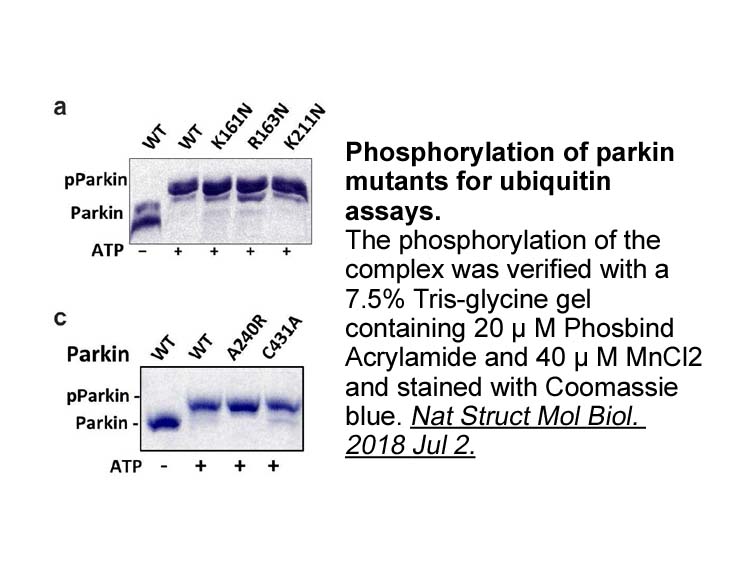
First, the complete canonical brain original RAS (Angiotensinogen, Renin, Angiotensin I, Angiotensin Converting Enzyme (ACE), Angiotensin II) has not been conclusively identified in any specific cell type within the brain [1]. Validated evidence for the presence of brain Angiotensinogen and ACE was
-
Complementing the effects of ARB and ACEI on HDL
2025-02-27
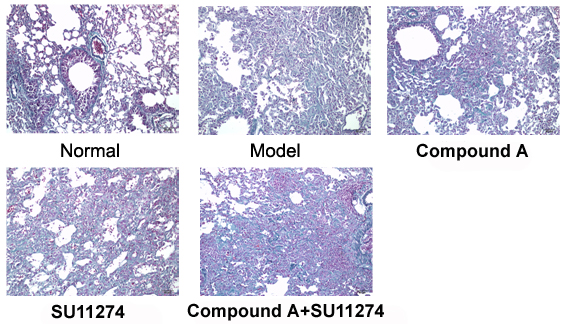
Complementing the effects of ARB and ACEI on HDL capacity to elicit cholesterol efflux, HDL of ARB- and ACEI-treated groups significantly lessened macrophage production of superoxide (Fig 2). As with efflux, there was no difference in this effect between the ARB and ACEI groups. These data are inter
-
br Results br Discussion Many tumor cells rely on EAAs
2025-02-26
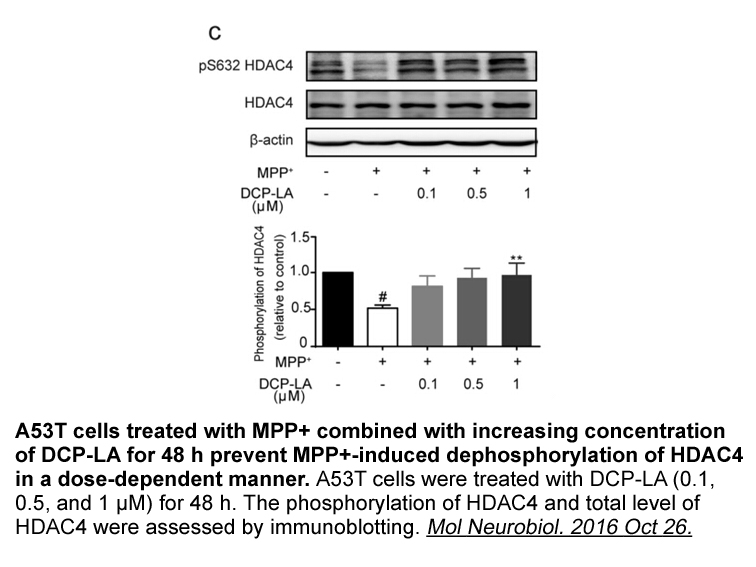
Results Discussion Many tumor ache inhibitor rely on EAAs to provide fundamental building blocks for macromolecular biosynthesis because they cannot synthesize EAAs de novo (Hattori et al., 2017; Sheen et al., 2011). Therefore, they must use highly effective transporters to maximize EAA uptake
-
br Conclusion br Conflicts of
2025-02-26
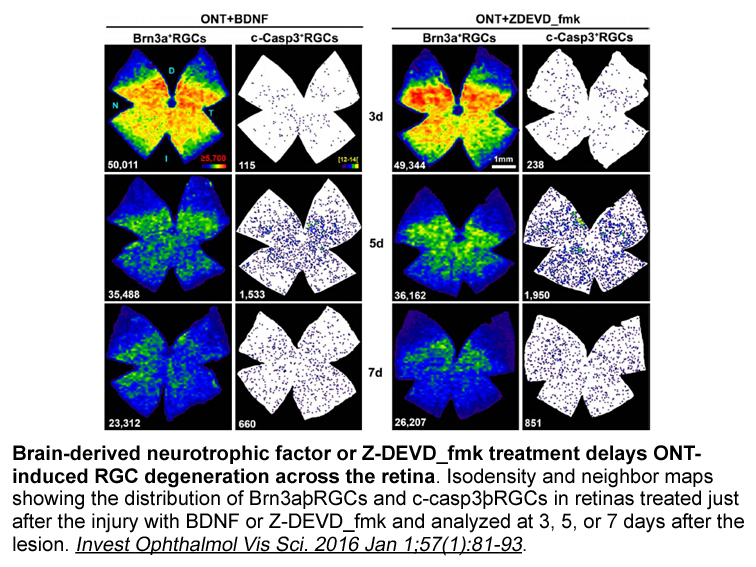
Conclusion Conflicts of interest Introduction Alzheimer’s disease is the most common neurodegenerative condition known to cause dementia (Ferri et al., 2005). Alzheimer’s dementia typically presents with initial recent episodic memory deficits, word finding difficulty and later with apraxia
-
To date defining the prognostic impact
2025-02-26

To date, defining the prognostic impact of molecular drivers of early-stage NSCLC has been challenging due to the relative rarity of these subsets and the redefinition of comparator arms over time as understanding of the molecular drivers of NSCLC evolved. Indeed, use of molecularly heterogeneous co
16782 records 33/1119 page Previous Next First page 上5页 3132333435 下5页 Last page